
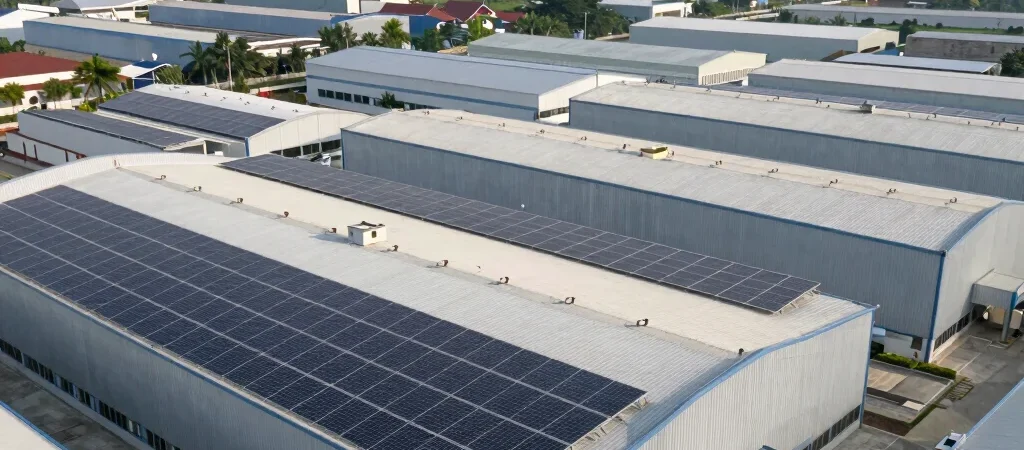
Industrial complexes throughout northern Banten are beginning a practical transition toward hybrid power infrastructure. Driven by rising energy demands and regional emissions targets, major industrial parks are integrating rooftop solar arrays and localized battery storage systems. Our in-depth analysis highlights how these private-public energy projects balance power stability with operational sustainability.
Decarbonizing Heavy Manufacturing Zones
Facilities specializing in steel processing, chemical manufacturing, and packaging are deploying solar installations across industrial rooftops. These high-density microgrids capture maximum solar radiation during midday operations, reducing reliance on conventional power grids. Early performance reports indicate that participating plants have reduced peak-hour grid draws by up to fifteen percent.
Grid Reliability and Energy Transition Costs
Upgrading legacy electrical infrastructure requires significant upfront capital alongside careful technical coordination. Grid operators are installing advanced transformers and automated load-balancing hardware to handle fluctuating renewable inputs cleanly. Energy analysts note that steady long-term savings will offset initial installation expenses as battery storage technology matures.
What the Shift Means for Local Workforce Demand
The expansion of industrial microgrids is creating specialized technical opportunities across the region. Local vocational institutes are updating training curricula to include solar system maintenance, grid automation, and industrial energy auditing. This shift ensures that local technicians are equipped to support the region's evolving energy landscape.